The Golden Era of Iron: Gyms of the 1950s and 60s
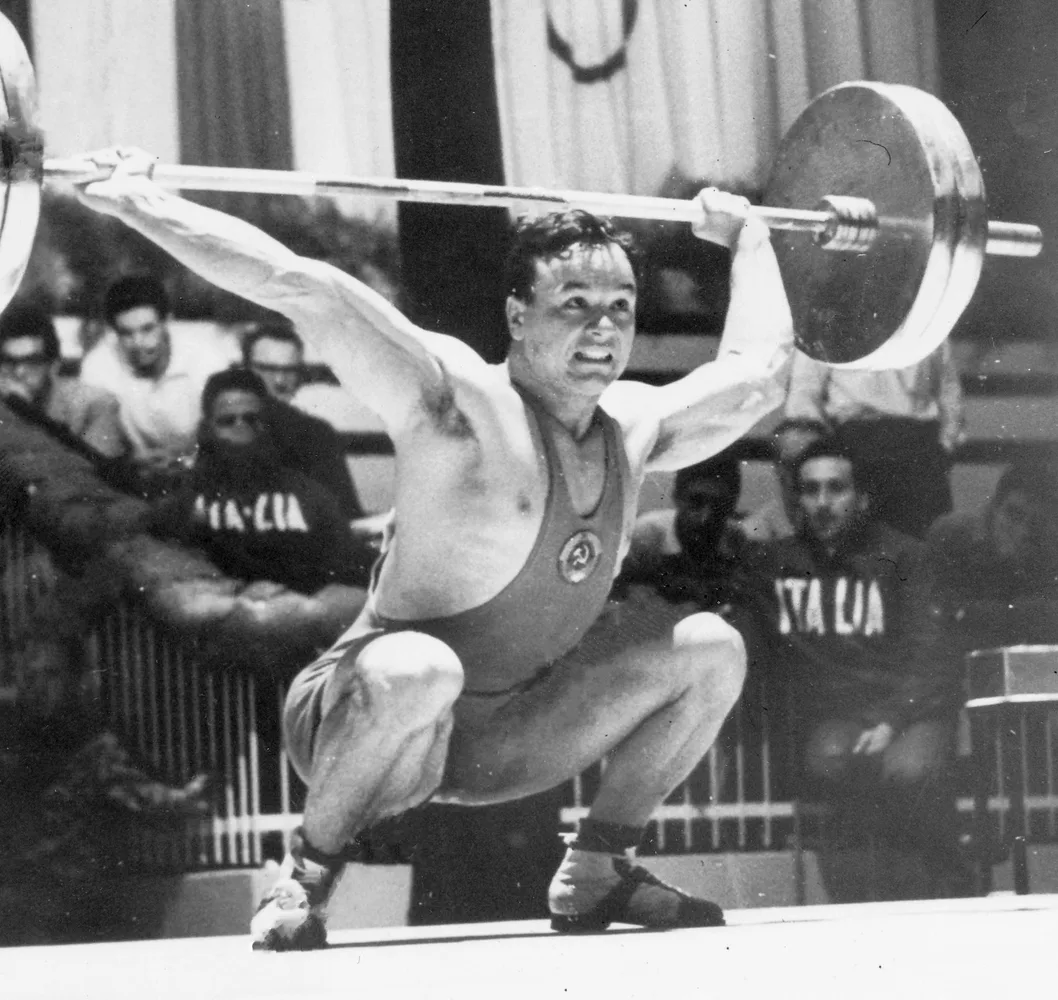
A World of Iron and Character
Walk into a commercial gym in 1958 and you were entering a different world. Concrete floors painted battleship gray. The smell of chalk, iron, and liniment. The sound of weights and conversation. No air conditioning, no mirrors, no juice bar. Just iron, purpose, and community.
The American gym of this era was shaped by three distinct traditions: the physical culture clubs that descended from the early 20th century Sandow-inspired movement, the weightlifting clubs that trained Olympic-style lifters, and the emerging bodybuilding culture that was coalescing around Muscle Beach and Joe Weider's publications.
The Equipment That Defined an Era
The equipment inventory of a mid-century gym was simple but sufficient. York Barbell Olympic sets for the serious lifters. A set of fixed dumbbells, invariably cast iron, from 5 to 100 pounds. Perhaps a lat pulldown cable machine of domestic manufacture. An adjustable incline bench or two. A power rack, if the gym was well-equipped by the standards of the day.
What the gyms of this era lacked — in mirrors, variety, and machine-based exercises — they more than compensated for in focused environment. Every exercise was a free weight exercise. Every lift required technique, balance, and coordination. The equipment demanded more from its users, and the users responded by developing more well-rounded physical capability.
Notable Gyms of the Era
Vince's Gym (North Hollywood, CA): Vince Gironda's Studio City establishment was the intellectual center of West Coast bodybuilding. Equipment was spartan — Gironda famously had no squat rack — but the programming and community were legendary.
Dunbar's Gym (New York City): A serious weightlifting establishment on the Upper West Side that produced several national-caliber competitors in the 1950s and 60s. The equipment was predominantly York, supplemented by custom-made pieces.
These gyms are gone now, but their equipment survives in private collections and occasionally on the market. A piece that trained champions in the Golden Era carries a significance beyond its physical form.