How to Identify an Authentic Antique Rowing Machine
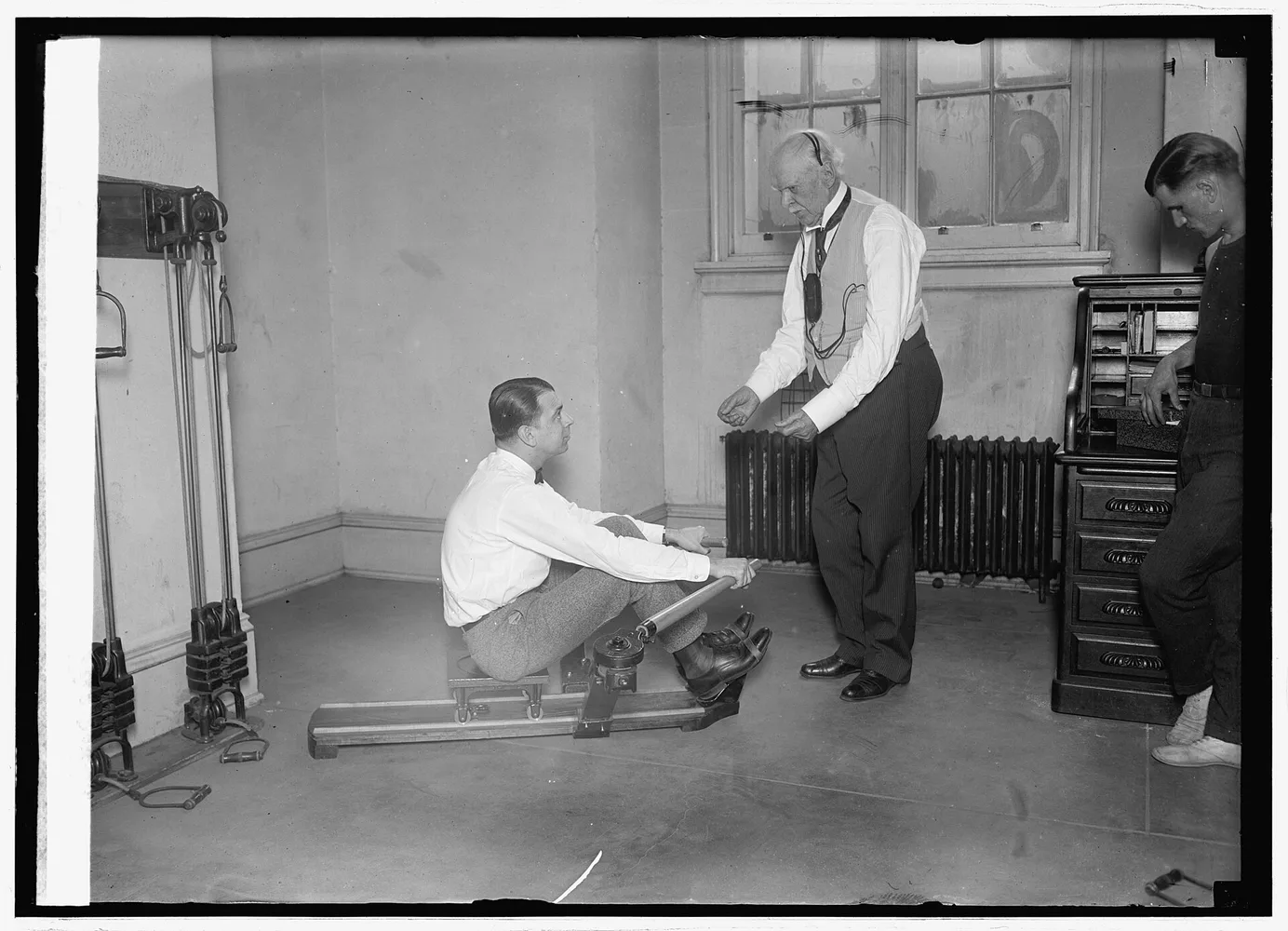
The Rowing Machine's Athletic Pedigree
Long before the indoor cycling boom and the functional fitness craze, the rowing machine was the prestige cardiovascular device of the Victorian and Edwardian gymnasium. Premium rowing machines from this era were made to the standards of fine furniture — mahogany frames, hand-turned wood components, brass fittings, and mechanisms designed for smooth, silent operation.
Major Manufacturers and Their Marks
Narragansett Machine Company (Providence, RI): One of the most significant American manufacturers of late 19th century gymnasium apparatus. Narragansett pieces typically feature a distinctive cast iron plate on the frame with the company name and founding date (1885). The mahogany was sourced from premium timber merchants and the quality of joinery is exceptional.
Spalding Athletic Goods: A.G. Spalding entered the gymnasium apparatus market in the 1880s and produced rowing machines for institutional clients. Spalding pieces are usually stamped with the company's oval mark. Generally slightly less ornate than Narragansett but excellent quality.
Flint & Horner: A New York–based manufacturer whose pieces often feature more elaborate decorative turning and occasionally incorporate cushioned seats with original leather upholstery.
Authentication Checklist
When evaluating a potential antique rowing machine: examine the wood species (mahogany, ash, or oak are period-appropriate; plywood or MDF are not); check metal components for period-appropriate casting marks and patina; look for period joinery techniques (mortise-and-tenon, wooden pegs) rather than modern fasteners; and verify that the sliding seat mechanism operates smoothly without modern replacement parts.
A fully authentic late Victorian rowing machine in good operational condition is worth $3,000–12,000 depending on maker, aesthetic completeness, and provenance. Museum-quality pieces with documented ownership history can exceed these figures considerably.