Restoring Old Gym Equipment: Dos and Don'ts
The Restoration Debate
In the world of vintage gym equipment, restoration is a genuinely contentious topic. On one side: those who believe equipment should be kept as close to original condition as possible, with cleaning and preservation but minimal intervention. On the other: those who prioritize functionality and appearance, preferring a fully restored piece to an original but worn one.
The reality, for both collectors and practical users, lies in thoughtful middle ground. The goal should always be to preserve what's authentic and irreplaceable while making the equipment safe and functional where needed.
What to Never Do
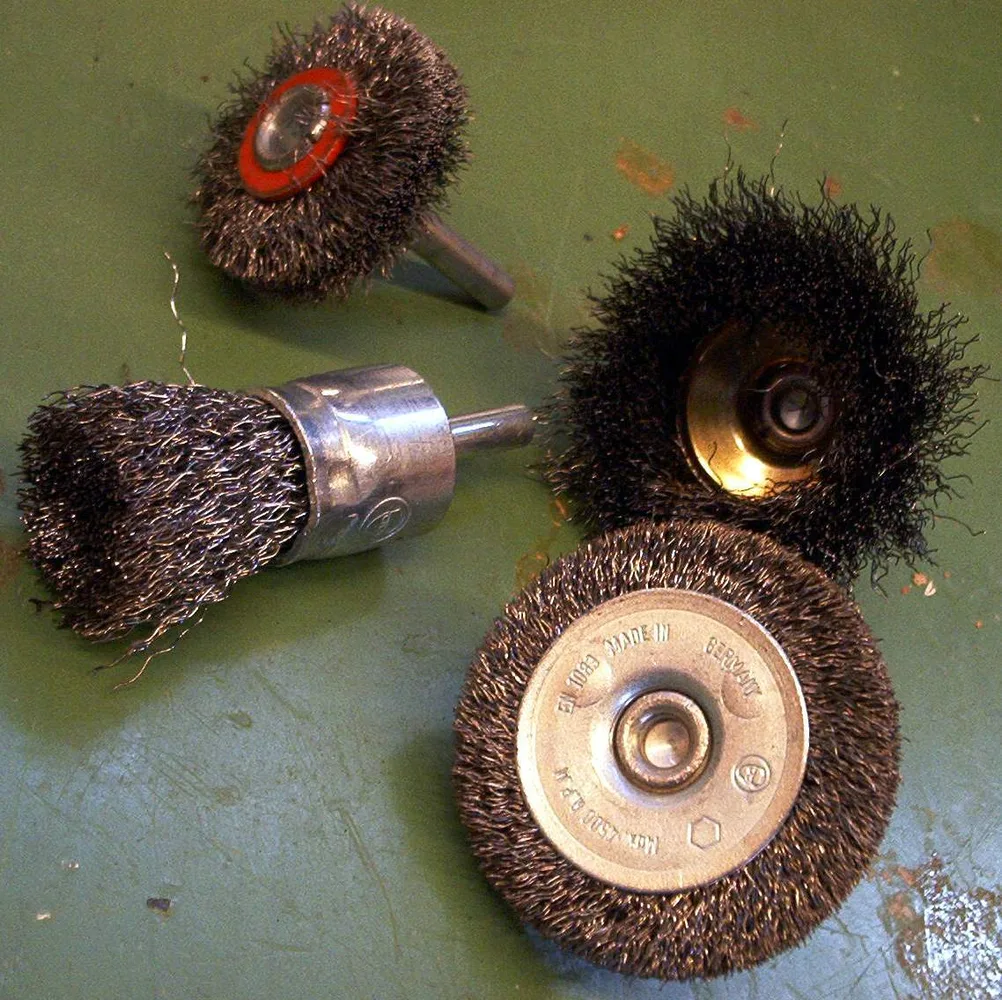
Never sandblast original cast iron: Sandblasting is irreversible. It removes the original surface texture, casting marks, and any surviving original paint — all of which are significant to value. Rust removal on cast iron should be done with a wire wheel or rust dissolver, carefully, preserving surface detail.
Never repaint with the wrong finish: Original mid-century gym equipment used specific paint formulations that have a characteristic sheen and texture. Applying a modern gloss enamel or powder coat to a vintage piece destroys its patina and period-correct appearance. If repainting is necessary, research the correct period finish and match it as closely as possible.
Never replace original decals or markings: The original decal or stamping on a piece of vintage equipment is a primary authentication point and a significant part of its historical value. Aftermarket replacement decals, however accurate, reduce collector value substantially.
What to Do
Clean thoroughly but gently: Most vintage cast iron responds beautifully to cleaning with a stiff natural-bristle brush, mild detergent, and patient effort. For rust, electrolytic rust removal is non-destructive and highly effective. After cleaning, apply a penetrating oil to protect bare metal.
Replace only what's necessary: Cables, upholstery, and hardware that are worn to the point of safety concern should be replaced. Use period-appropriate materials and document what was original and what was replaced.
Document everything: Before touching a piece, photograph it thoroughly from every angle. This documents its pre-restoration condition and can be valuable for authentication and historical research later.