Home Gym Equipment Checklist: Everything You Need to Start (2027 Guide)
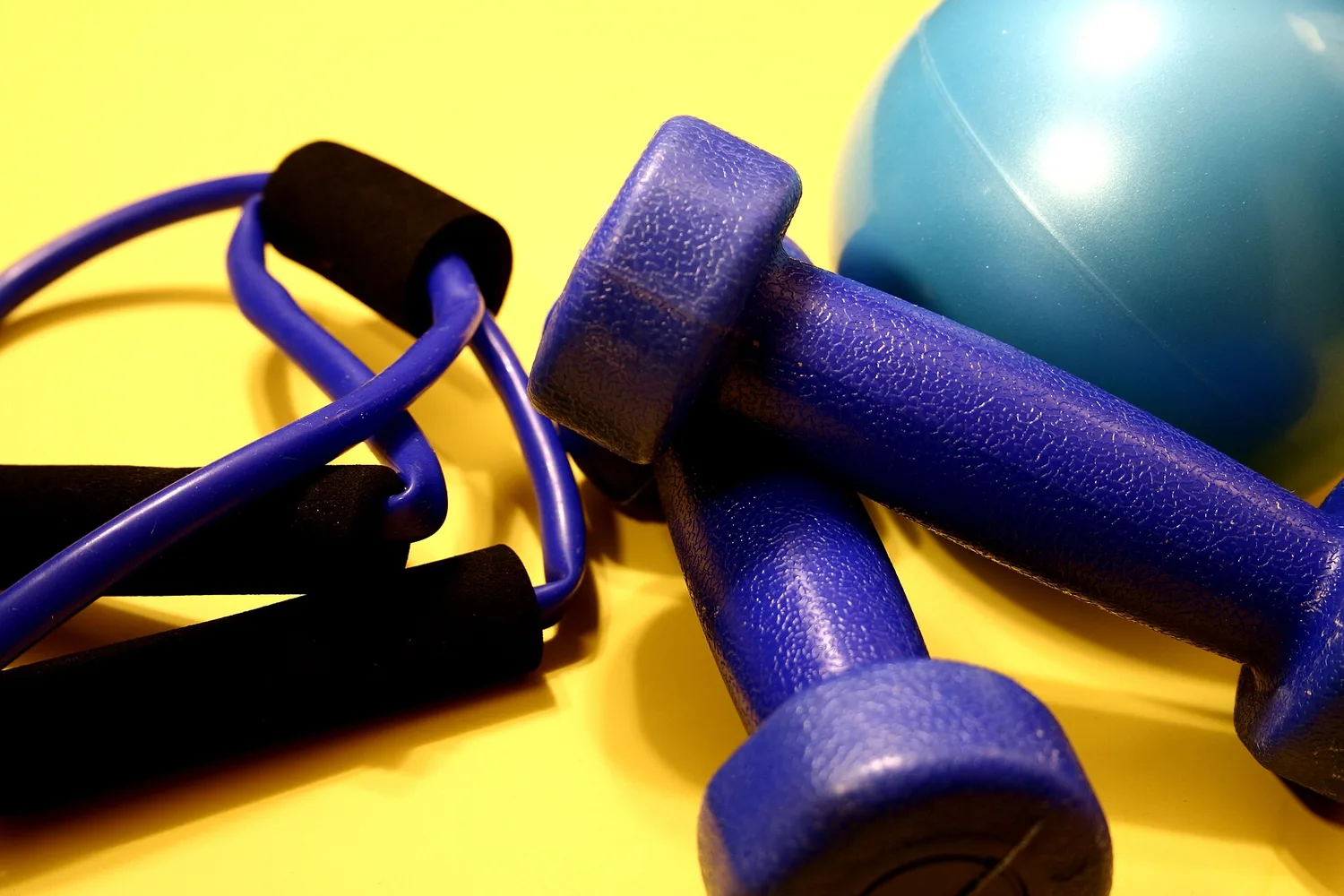
Building a home gym is one of the best investments you can make in your health. No commute, no waiting for equipment, no monthly fees — just you and the iron, whenever you want it.
But walk into any fitness store (or scroll any website) and it's easy to feel overwhelmed. Do you really need a cable machine? A treadmill? Twelve pairs of dumbbells?
The short answer: no. This home gym equipment checklist walks you through exactly what you need to start, what can wait, and how to plan your space and budget so every dollar counts.
Quick answer: To start, you need a solid floor, a barbell and plates, a squat rack, a bench, and a set of dumbbells. Everything else is a bonus.
Step 1: Plan Your Space Before You Buy Anything
The most common home gym mistake is buying equipment first and measuring later. Grab a tape measure and check three things:
- Floor space. A barbell is about 7 feet (2.2 m) long, so you'll want roughly 8–10 feet of width to load plates comfortably on both ends.
- Ceiling height. Standing presses and pull-ups need headroom. Stand on the spot, reach overhead, and add a few inches — that's your minimum.
- The floor itself. Concrete in a garage or basement is ideal. Upstairs rooms can work for lighter training, but avoid dropping heavy weights on a suspended wooden floor.
A single-car garage or a 10 × 10 ft corner of a basement is plenty for a complete strength setup.
Step 2: The Essential Home Gym Equipment Checklist
These six items cover almost every movement you'll ever need. Together they let you squat, press, pull and hinge — the foundation of any good strength training program.
1. Flooring
Protect your floor, your equipment and your joints. The budget favourite is 3/4-inch rubber horse stall mats from a farm supply store. They're usually 4 × 6 ft, very durable and far cheaper than "gym" branded flooring.
2. A Barbell
A standard Olympic barbell weighs 20 kg (44 lb) and is the single most versatile piece of equipment you can own. Look for a bar with a decent knurl (grip texture) and sleeves that spin smoothly.
Many lifters also love classic bars — a well-kept vintage bar can outlast any new one. Browse our vintage barbells if you like equipment with history.
3. Weight Plates
You have two main choices:
- Cast-iron plates — thinner, more affordable and practically indestructible. Perfect for squats, presses and deadlifts.
- Bumper plates — rubber-coated and safe to drop. Choose these if you plan to do Olympic lifts like cleans and snatches.
A starting set of around 230–300 lb total is enough for most beginners. Old-school iron is a great value option here — see our cast-iron weight plates or read the history of cast-iron plates.
4. A Squat Rack
A rack makes heavy squats and bench presses safe when you train alone. It's the heart of a home gym. We cover every option in detail in our guide on how to choose a squat rack for home gym use.
5. A Weight Bench
A sturdy flat bench is enough to start. An adjustable (incline) bench adds variety — incline presses, seated presses, chest-supported rows. Wobbly benches are dangerous, so prioritise stability over extra features. Classic steel benches like this 1964 Weider adjustable incline bench were built to last decades.
6. Dumbbells
Dumbbells are perfect for single-arm work, accessories and fixing imbalances. A full rack of fixed dumbbells takes a lot of room, which is why most home lifters choose adjustable dumbbells instead. Our buyer's guide to the best adjustable dumbbells for home gym training explains the options.
Step 3: Nice-to-Have Extras
Once the essentials are in place, add these as your training (and budget) grows:
- Pull-up bar — many racks include one. Pull-ups are one of the best upper-body exercises there is.
- Kettlebells — great for swings, carries and conditioning. One or two is plenty to start. See our kettlebells.
- Resistance bands — cheap, light and useful for warm-ups and assistance work.
- Cardio machine — an indoor rower or air bike gives a full-body workout in a small footprint.
- Storage — a plate tree or wall pegs keep the floor clear and safe.
- Fan, mirror and a speaker — small things that make you want to train.
Step 4: Set a Realistic Budget
Prices vary a lot by brand and condition, but here's a rough guide to how home gym builds usually come together:
- Starter build: flooring, barbell, plates, squat stands and a flat bench. Buying used or vintage can cut the cost significantly.
- Complete build: add a full power rack, an adjustable bench and adjustable dumbbells.
- Premium build: add a cardio machine, specialty bars, more plates and proper storage.
Tip: Spend on the things that keep you safe — the rack and bench. Save on plates, which work the same whether they're brand new or 60 years old.
Quality used and vintage equipment is one of the smartest ways to stretch a budget. We compare the pros and cons in vintage vs. modern gym equipment.
Step 5: Use Your Home Gym Consistently
Equipment doesn't build strength — training does. U.S. health guidelines recommend muscle-strengthening activity at least two days a week alongside regular aerobic exercise (see the Physical Activity Guidelines for Americans).
Start light, focus on good technique, and add a little weight over time. This idea, called progressive overload, is the key to steady progress. Harvard Health also has a great overview of why strength training builds more than muscles.
Your Printable Home Gym Checklist
Must-haves:
- Rubber flooring
- Olympic barbell
- Weight plates (iron or bumper)
- Squat rack or squat stands
- Flat or adjustable bench
- Adjustable dumbbells
Add later:
- Pull-up bar
- Kettlebell
- Resistance bands
- Rower or bike
- Plate storage
Frequently Asked Questions
What is the first thing to buy for a home gym?
Start with a barbell, plates and a squat rack. That combination lets you train your whole body safely. Add a bench and dumbbells next.
How much space do I need for a home gym?
About 10 × 10 ft is enough for a rack, bench and barbell. Make sure you have roughly 8–10 ft of width for the bar and enough ceiling height to press overhead.
Is used gym equipment worth buying?
Yes — especially plates, barbells and dumbbells, which rarely wear out. Check bars for bends and benches for wobble. Learn how to keep older iron in top shape in our guide to caring for vintage equipment.
Ready to Start Building?
A great home gym doesn't need to be big or expensive. Start with the essentials, train consistently, and add pieces as you grow. If you'd like equipment with real character, browse our collection or get in touch — we're always happy to help you plan your setup.