Is Used Commercial Gym Equipment Better Than New Budget Equipment?
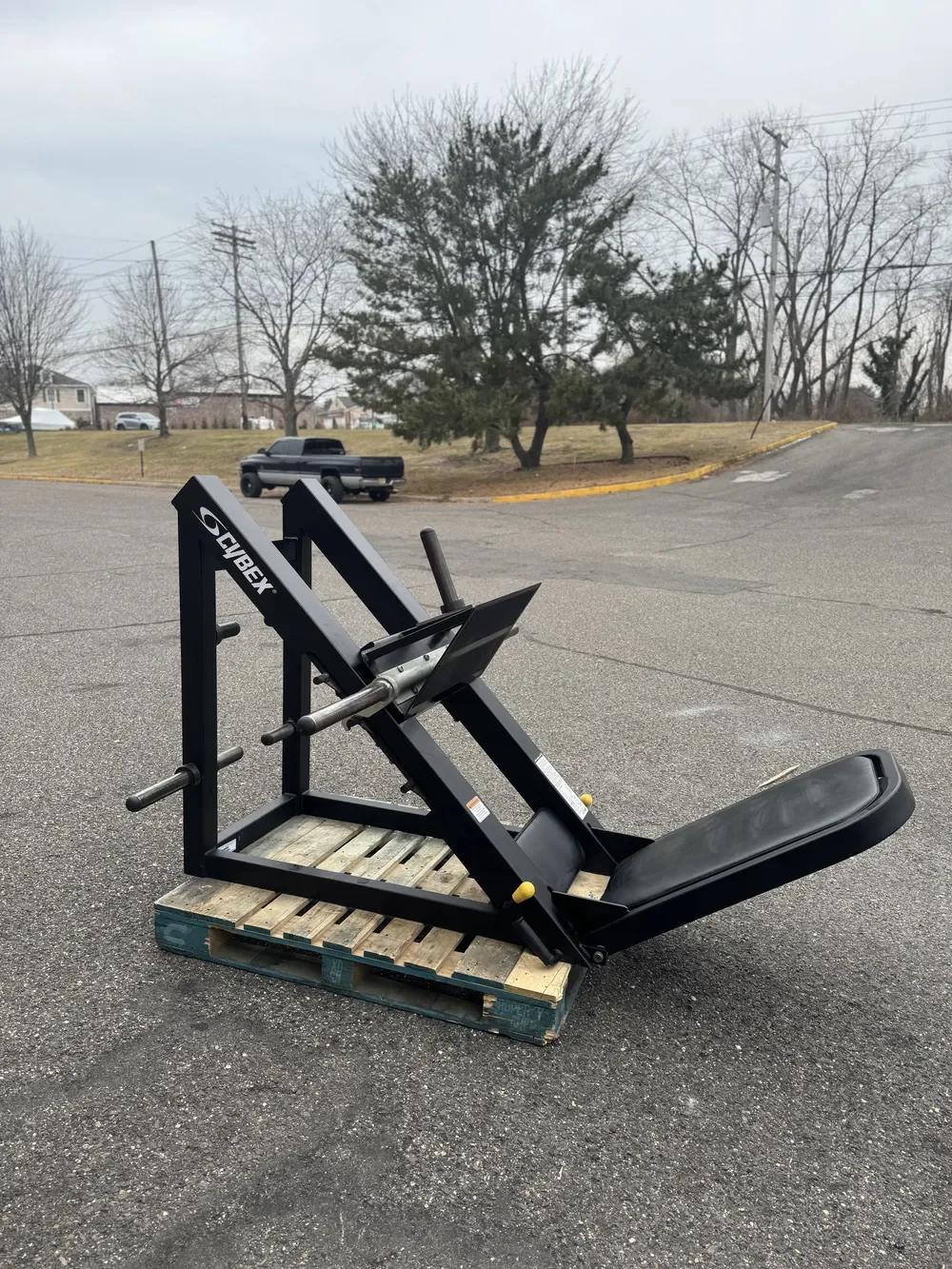
Is used commercial gym equipment better than new budget equipment? For strength machines, often yes, if you have the space and can handle the delivery. Commercial machines are designed and warrantied for gyms with many users, while budget equipment is designed for home use and is usually warrantied only for it. But "better" depends on more than build: size, weight, warranty, price and how the machine gets into your room all matter.
This guide compares the two on facts you can check, so you can decide which fits your situation.
Commercial vs Home Gym Equipment: How They're Classified
The difference between commercial and home equipment isn't only a marketing label. The international safety standard for stationary training equipment, ISO 20957-1, classifies equipment by intended use, with a separate class for domestic (home) use and classes for supervised settings such as clubs, studios and hotels.
Manufacturers' warranties follow the same line:
- Home equipment warranties usually exclude commercial use. Sunny Health & Fitness, for example, limits its warranty to non-commercial use and says any commercial use, including commercial gyms and shared facilities such as apartments, condos and residential associations, automatically voids it.
- Commercial strength warranties are built for heavy use. Life Fitness's current strength warranty for Life Fitness and Hammer Strength equipment covers the frame for 10 years; blocks, pulleys, plates and rods for 5 years; and components such as cables, grips and bearings for 1 year.
Side-by-Side Comparison
| Factor | Used commercial | New budget (home) |
|---|---|---|
| Designed for | Gyms, clubs, hotels and other supervised settings | Household use |
| Warranty | Maker's warranty usually doesn't transfer; you get the seller's terms | Maker's home warranty, usually voided by commercial or shared use |
| Size and weight | Large and heavy: often several hundred pounds | Check the spec sheet |
| Delivery | Freight, usually to the curb; may need disassembly to get inside | Varies by retailer and product |
| Condition | Depends on its history; inspect wear parts | New |
| Parts | Check availability for the exact model | Check the maker's parts policy |
Where Used Commercial Equipment Wins
It's built for many users
Commercial machines are designed for the class of use that covers gyms and clubs, and the long frame warranties makers give new commercial equipment show what they're designed to withstand. A used machine was built to that same target, though its condition now depends on how it was looked after.
It's often the right choice for shared gyms
If the equipment is going into an apartment building, condo, office or residents' association gym, home-rated equipment may be the wrong category altogether. As noted above, at least one home-equipment maker treats those shared facilities as commercial use that voids its warranty. Commercial equipment is designed for that setting.
Many machines are simple to keep running
Plate-loaded commercial machines have no weight stack or cables. Selectorized machines do have cables, and manufacturers document how to maintain them. Cybex's VR1 owner's manual, for example, sets out weekly cable checks and the signs that a cable needs replacing.
Where New Budget Equipment Wins
It comes with a warranty for you
A new home machine comes with the maker's warranty for home use. Used commercial equipment doesn't carry the original warranty: Life Fitness, for example, says its strength warranty covers only the original purchaser and isn't transferable. With used equipment, the seller's terms are what you get.
It fits ordinary rooms
Commercial machines are big. Among our current listings, the Cybex Hack Squat weighs 390 lb with an 81" × 61" × 54" footprint, as specified by Cybex. The Cybex Plate Loaded Leg Press weighs 443 lb and stands 78" high. Residential floors are designed under IRC Table R301.5 for 40 psf in most rooms and 30 psf in sleeping rooms. For upper floors, a code guide to the IRC recommends a structural engineer for heavy exercise equipment.
Getting it inside is a smaller job
A commercial machine arrives as one heavy freight item. It may need several people, and sometimes partial disassembly, to get through a doorway. Check the delivery method and assembly requirements of any home machine you're comparing it with.
Which Should You Choose?
- Choose used commercial if: you have a garage, basement or ground-floor room with space; you can arrange help for delivery; you want equipment designed for heavy use; or the equipment is for a shared or business gym.
- Choose new budget if: space, ceiling height or access is tight; the machine must go upstairs; or a manufacturer warranty matters more to you than build specification.
Plate-loaded commercial machines are a middle ground worth considering. They can be lighter than selectorized ones because they have no stack. The Hammer Strength Iso Lat Pulldown, for example, weighs 315 lb. Our guide to plate-loaded vs selectorized machines explains the differences.
Count the Full Cost
Compare the total, not just the price tag:
- Delivery: is freight included, and who moves the machine inside?
- Plates: plate-loaded machines need Olympic plates if you don't own them.
- Wear parts: budget for cables and upholstery on a used selectorized machine.
- Floor: rubber flooring, and for upper floors, an engineer's assessment.
How to Buy Used Commercial Equipment Safely
Ask for the exact brand and model, look for photos of the actual unit, read the seller's warranty and returns terms, and check the parts that wear: cables, frame welds, the weight stack or carriage, and every adjustment. Our used gym equipment inspection checklist covers each step.
Frequently Asked Questions
Is commercial gym equipment worth it for a home gym?
It can be, if you have the space and floor for it. Commercial machines are designed for heavy use in gyms, but they're larger and heavier than home equipment and usually arrive by freight.
What's the difference between commercial and residential gym equipment?
Intended use. ISO 20957-1 classifies home equipment separately from equipment for supervised settings such as clubs and hotels, and warranties follow suit. Home warranties typically exclude commercial use, while commercial strength warranties, such as Life Fitness's 10-year frame coverage, are written for gym use.
Can I put home gym equipment in an apartment or condo gym?
Check the warranty first. Sunny Health & Fitness, for example, says use in shared facilities such as apartments, condos and residential associations voids its warranty. Commercial equipment is designed for shared settings.
Does used commercial gym equipment have a warranty?
Not usually from the manufacturer, because commercial warranties generally cover only the original purchaser. Some dealers offer their own terms. At Iron Archive Equipment, used equipment is sold as described without a warranty, with returns for items significantly not as described.
Browse Used Commercial Equipment
See our used commercial gym equipment. Every listing shows the actual unit and its condition grade, and we ship free to the lower 48 states and Washington, DC.