Buying Used Gym Equipment: The Complete Inspection Checklist
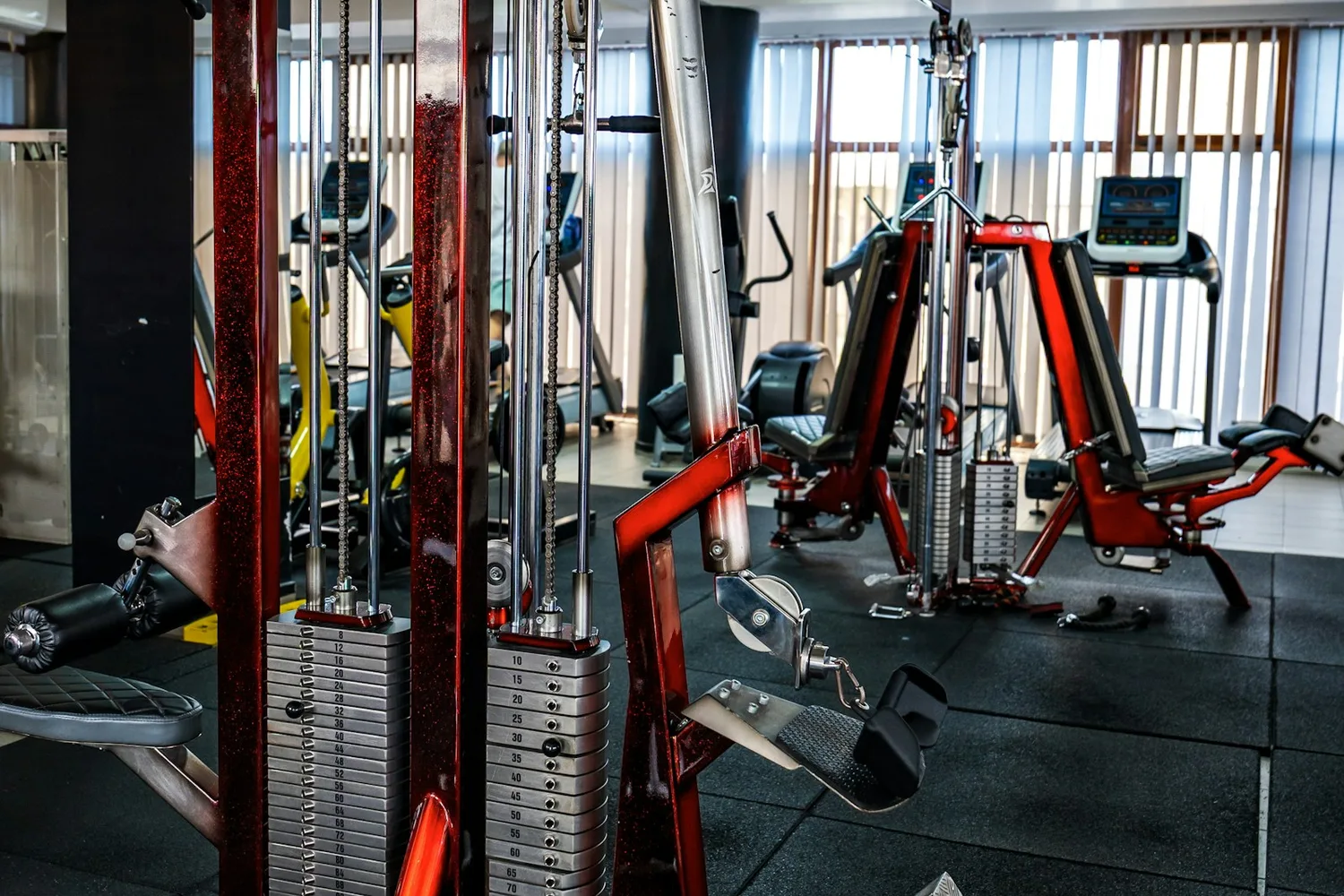
Commercial gym equipment is built to survive years of daily use by hundreds of members. That's exactly why used gym equipment is one of the smartest buys in fitness: a machine that cost a club $6,000 new can often be bought for a fraction of that price and still have many years of training left in it.
But not every used machine is a bargain. Worn cables, cracked welds and missing parts can turn a cheap deal into an expensive repair. This guide walks you through exactly what to check before you buy used commercial gym equipment, whether you're outfitting a garage gym, a training studio or a full facility.
Quick answer: Buy used gym equipment from a seller who gives you real photos, honest condition notes and clear shipping terms. Check the frame, cables, pulleys, upholstery and weight stack (or plate horns), confirm the model hasn't been recalled, and make sure you know the delivery and return terms before you pay.
Why Buy Used Commercial Gym Equipment?
- Big savings. Commercial machines lose much of their retail value as soon as they leave the showroom, even though the steel frame is far from worn out.
- Better build quality. A used commercial machine from brands like Hammer Strength, Cybex or Nautilus is usually heavier, smoother and more durable than a new budget home machine at the same price.
- Proven designs. Many classic models have been used in gyms for decades, so parts and know-how are easy to find.
- Less waste. Giving a solid machine a second life keeps tons of steel out of the scrapyard.
Used vs Refurbished vs Remanufactured
You'll see these terms used loosely, so ask the seller exactly what has been done:
- Used (as-is): sold in the condition it came out of the gym. Usually the cheapest option; condition varies.
- Refurbished: cleaned and repaired as needed — for example new cables or upholstery.
- Remanufactured: taken apart, with the frame re-coated and wear parts replaced. Closest to new, and priced accordingly.
None of these is automatically better. A well-kept used machine can be a better buy than a poorly refurbished one, which is why the inspection below matters.
The Used Gym Equipment Inspection Checklist
1. Frame and welds
The frame is the part you can't easily replace. Look for cracks around welds, bent tubing, and deep rust that has eaten into the steel (light surface rust is usually cosmetic). Check that the machine sits flat and doesn't rock.
2. Cables, belts and pulleys
On selectorized machines, the cable does the lifting. Run your eyes along its full length: fraying, kinks, flat spots or exposed wire mean it needs replacing before use. Pulleys should spin freely and quietly without wobbling. Cables are wear items and are not expensive, but factor the cost into your offer.
3. Weight stack or plate horns
For pin-loaded machines, make sure every plate is present, the selector pin fits each plate cleanly, and the stack glides up and down the guide rods without sticking or grinding. On plate-loaded machines, check that the weight horns are straight and the pivot points move smoothly without clunking. Not sure which type you need? Read our guide to plate-loaded vs selectorized machines.
4. Moving parts and adjustments
Move the machine through its full range of motion with light weight. It should feel smooth from start to finish. Test every seat, pad and range-of-motion adjustment — pop-pins should lock firmly and release easily.
5. Upholstery
Torn or cracked pads are cosmetic, and re-upholstering is a common, affordable fix. Use worn upholstery as a bargaining point rather than a deal-breaker.
6. Safety recalls
This is the step most buyers skip. Commercial equipment is occasionally recalled, and a used machine may never have had the fix. For example, in 2018 Cybex recalled certain Smith Press machines (models 5340 and 5341) because the bar could drop — see the CPSC recall notice. Search the brand and model on CPSC.gov before you buy, and ask the seller whether any recall repair has been done.
7. Photos, model numbers and honesty
A trustworthy seller will show you real photos of the actual machine — not catalogue images — and describe its condition honestly. Ask for the brand, model and any serial plate details, plus extra photos of wear areas if you need them. Every listing in our used equipment collection shows real photos and a condition grade so you know what you're getting.
Plan Delivery Before You Buy
Commercial machines are heavy. A plate-loaded leg press can weigh 400–600 lb or more, and some machines weigh well over that. Before you buy, check:
- Access: measure doorways, stairs and hallways against the machine's dimensions.
- Delivery type: freight is usually curbside, so you may need help or a pallet jack to move it inside.
- Floor: make sure your floor can take the load, and use rubber flooring to protect it.
We include freight delivery in our prices for the lower 48 states — see our shipping information for how it works.
Questions to Ask the Seller
- Where did the machine come from, and how was it used?
- Has anything been replaced or repaired?
- Is every part included (pins, handles, weight plates, manuals)?
- How is it shipped, and is it assembled or broken down?
- What are the return terms? Many used items are sold as final sale, so read the returns policy before you order.
Where to Start
If you're building a gym from scratch, start with the big multi-purpose pieces — a rack, a bench and a leg machine — and add isolation machines over time. Our home gym equipment checklist can help you plan, and if you're weighing up leg machines, our hack squat vs leg press comparison breaks down the differences.
Ready to browse? Explore our commercial strength machines, or contact us with a list of what you need and we'll help you find the right pieces.