Cast Iron vs Rubber Weight Plates: Which Should You Buy?
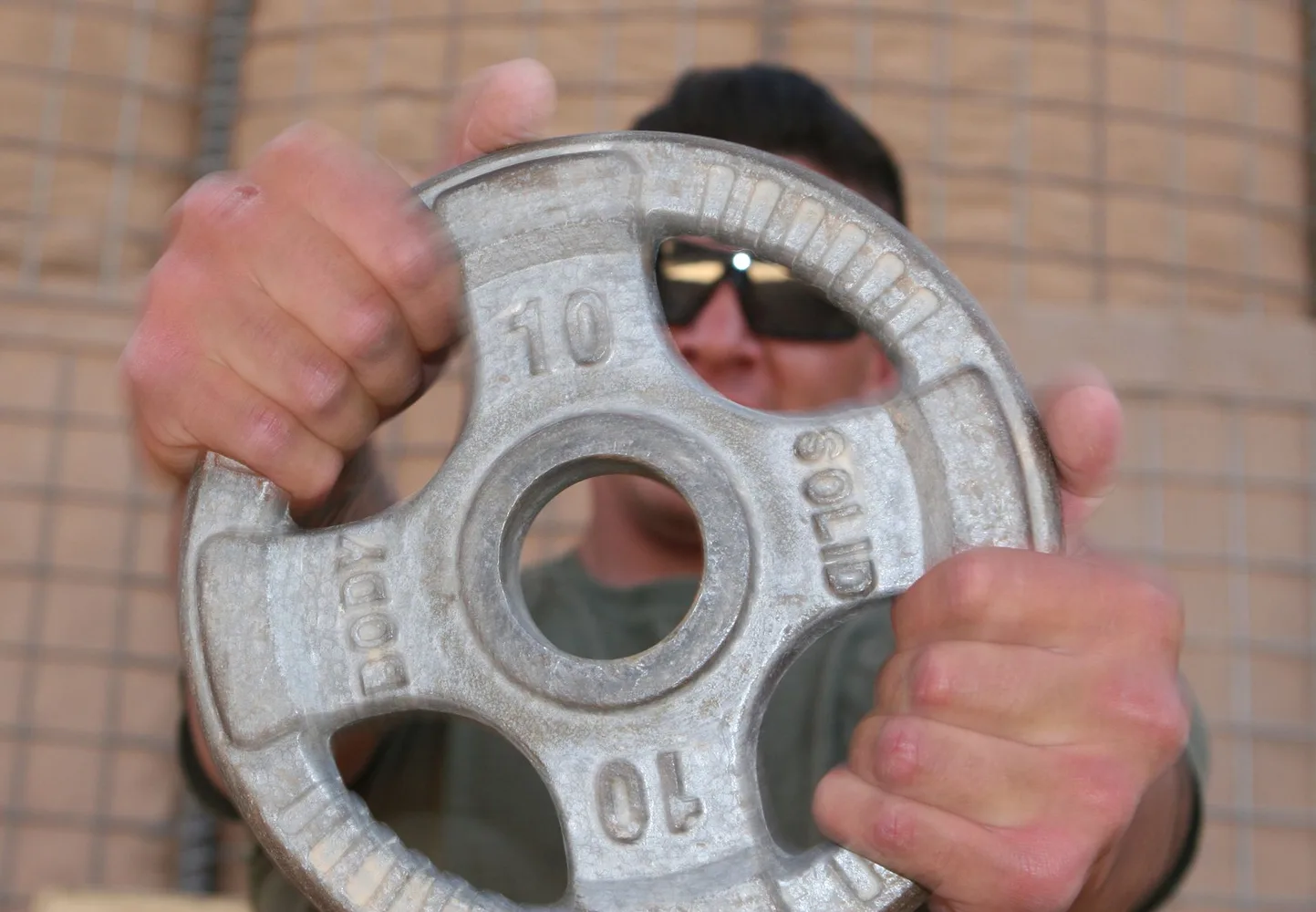
Weight plates are the foundation of any strength setup. They load your barbell, and if you own plate-loaded machines, they load those too. The first decision most buyers face is simple: cast iron vs rubber weight plates. Both work, but they suit different gyms, floors and budgets.
Quick answer: Choose cast iron plates for the best price per pound and the thinnest plates, ideal for powerlifting-style training and plate-loaded machines. Choose rubber (or rubber-coated) plates if noise and floor protection matter, or if you do Olympic lifts that involve dropping the bar.
Cast Iron Plates
Cast iron plates are the classic gym plate. They are dense, so a 45 lb plate is relatively thin, which means you can fit more weight on a bar or a machine's weight horn.
- Pros: usually the lowest cost per pound, very durable, thin profile, and widely available used.
- Cons: loud, can chip or damage floors, and bare iron can rust in damp garages if it isn't cared for.
Rubber and Bumper Plates
"Rubber plates" covers two different things. Rubber-coated plates are iron plates with a rubber or urethane shell; they're quieter and kinder to floors but still not designed to be dropped from overhead. Bumper plates are made almost entirely of dense rubber and are built to be dropped — you can read more about them on Wikipedia.
- Pros: quieter, protect floors and equipment, safer for dropping (bumpers), and less prone to rust.
- Cons: higher price, and bumper plates are much thicker, so you can't load as much weight on a bar or machine.
Side-by-Side Comparison
Price
Winner: cast iron. Iron plates are the most affordable way to build a large plate collection, especially if you buy used.
Durability
Tie. Iron lasts for decades but can chip; rubber resists chips but can crack or tear if it's poor quality. Buy from reputable makers either way.
Noise and floor protection
Winner: rubber. If you train in an apartment, a home gym above living space, or a commercial gym with neighbours, rubber is far quieter. Whichever you choose, rubber gym flooring is still a good idea.
Space and loading
Winner: cast iron. Thin iron plates let you load heavy weights on plate-loaded machines like a leg press or pendulum squat without running out of room on the horns.
Which Plates for Plate-Loaded Machines?
For most plate-loaded machines, standard Olympic cast iron or rubber-coated plates are the best choice. Bumper plates take up too much space on the horns. Check that your plates have a 2-inch (Olympic) center hole to fit commercial machines. Not sure whether you need plate-loaded machines at all? See plate-loaded vs selectorized machines.
Buying Used Plates
Used plates are one of the easiest used gym purchases. Check the weight markings, look for cracks (especially around the center hole), and make sure the hole isn't worn oval. Light surface rust on iron can be cleaned with a wire brush and protected with a light coat of oil or paint — see how to refurbish used gym equipment.
The Bottom Line
For value and loading capacity, buy cast iron. For quiet training, floor protection and dropping the bar, buy rubber or bumpers. Many gyms mix both: iron for machines and powerlifting, bumpers for the platform.
Building out your strength area? Browse our plate-loaded and selectorized machines, read our home gym equipment checklist, or contact us for help planning your setup.