How to Refurbish Used Gym Equipment: Cables, Upholstery & Paint
A little work can make a used machine look and feel almost new. Whether you've bought a used commercial machine or you're preparing one to sell, here's how to refurbish used gym equipment — what you can do yourself, and when to call a professional.
Quick answer: Start with safety items (cables, pulleys, bolts), then clean and treat rust, touch up paint, replace worn upholstery and grips, and lubricate guide rods and pivots. Always follow the manufacturer's manual and replace parts with ones rated for the machine.
1. Start with Safety
Before anything cosmetic, inspect everything that carries load:
- Cables and belts: replace any that are frayed, kinked or cracked. Use cables made for the exact machine, with the right length and fittings.
- Pulleys: replace pulleys that wobble, grind or have damaged grooves.
- Bolts and fasteners: check and tighten every bolt, and replace missing or damaged ones.
- Recalls: search the brand and model on CPSC.gov and make sure any recall repair has been completed.
2. Clean Thoroughly
Wipe down the frame with a mild degreaser, then clean upholstery with a gym-safe cleaner. Clean the weight stack and guide rods so you can see their real condition.
3. Treat Rust
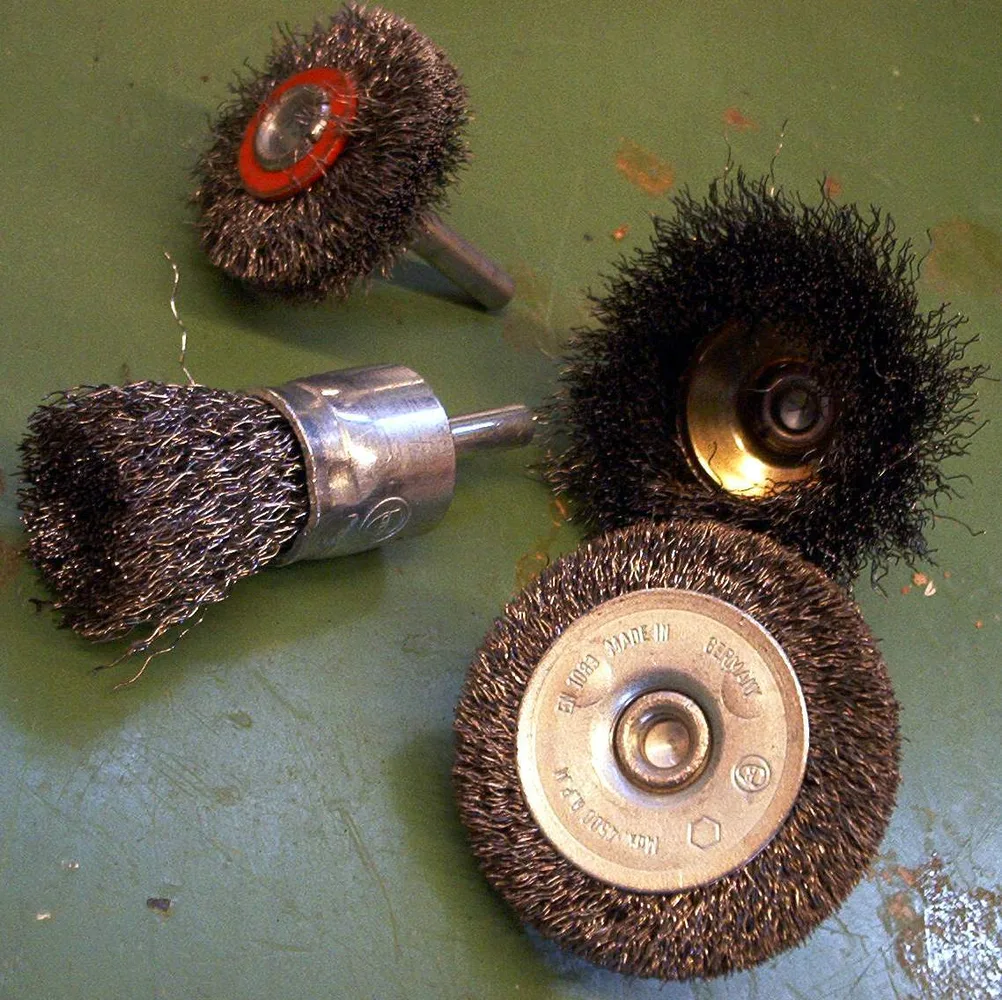
Light surface rust is common on used equipment. Remove it with a wire brush or abrasive pad, wipe clean, and protect bare metal with primer and paint or a light coat of oil (on guide rods, use the lubricant the manufacturer recommends — not paint). Deep rust that has eaten into structural tubing is a reason to stop and get the frame assessed.
4. Touch Up or Repaint the Frame
For small chips, a matching touch-up paint is enough. A full repaint or powder coat gives the best finish but means stripping the machine down — a job for a professional refinisher on commercial machines.
5. Replace Upholstery and Grips
Torn pads are one of the most common issues on used machines and one of the easiest to fix. Local upholstery shops can recover pads, or replacement pads may be available for popular models. Replace worn handle grips, too.
6. Lubricate
Clean and lightly lubricate weight stack guide rods, and lubricate pivot points and bearings as specified in the manual. Over-lubricating attracts dust, so wipe off any excess.
7. Test Everything
Run the machine through its full range of motion with light weight, then heavier weight. Test every adjustment and the selector pin at each plate. Listen for noises and feel for any roughness.
DIY or Professional?
Cleaning, grips, touch-up paint and lubrication are good DIY jobs. Cable replacement is manageable if you're handy and follow the manual carefully. Structural repairs, welding and full refinishing should be done by professionals.
Buying used? Start with our used gym equipment buying guide, and keep your refurbished machine in shape with our maintenance checklist. Selling? See how to sell used gym equipment. You can also browse our used equipment — every listing shows real photos and condition notes.