Folding Power Rack Guide: Strength Training in Small Spaces
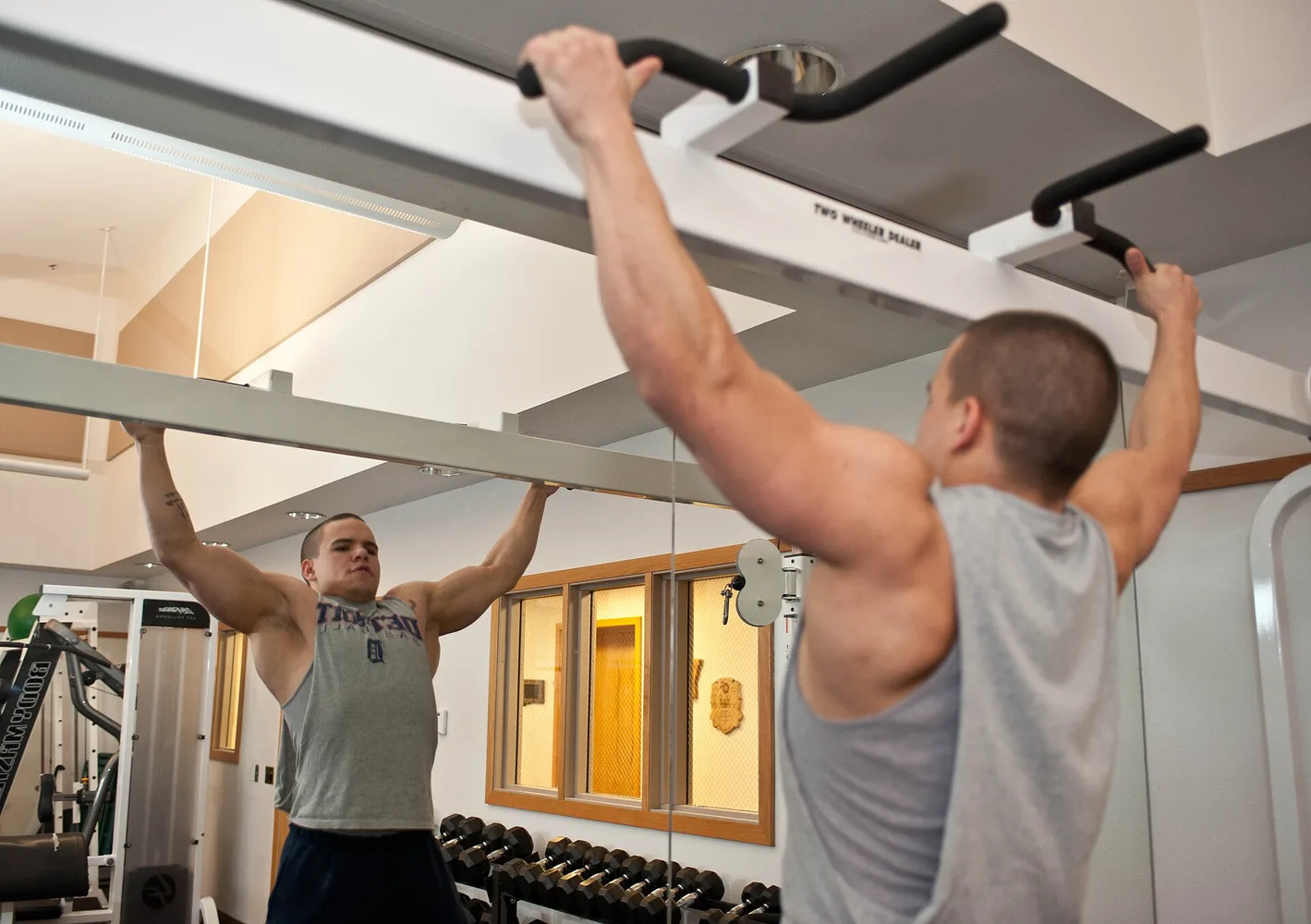
Want to squat, bench and do pull-ups at home — but still park your car in the garage, or keep your spare room usable? A folding power rack might be exactly what you need.
These clever racks mount to your wall, give you a sturdy place to lift, and then fold flat when you're done. In this guide, you'll learn how folding racks work, what to look for, how to install one safely, and how to get the most out of strength training in small spaces.
Quick answer: A folding power rack is a wall-mounted rack that folds back against the wall when not in use. It's ideal for garages and small rooms — as long as you have solid wall studs or masonry to mount it to.
What Is a Folding Power Rack?
A folding power rack (sometimes called a wall-mounted or fold-back rack) is attached to your wall instead of standing on its own base. The uprights swing out from the wall when you train and fold back when you're finished.
When folded, most models sit just a few inches from the wall. That frees up your floor for a car, a home office, or anything else you need the room for.
Several well-known brands, including PRx Performance, Rogue and Titan, make folding models. Designs differ, so always check the exact folded depth and weight rating of the model you're considering.
How Does It Work?
- Wall brackets are bolted securely into your wall studs or concrete.
- Hinged uprights swing out from the brackets when you want to train.
- Locking pins or bolts hold the uprights firmly in place while you lift.
- J-hooks and safety arms hold the barbell and catch it if you miss a rep, just like a regular power rack.
Setting it up usually takes less than a minute once you get used to it.
Pros and Cons of a Folding Power Rack
Pros:
- Saves space — the main reason to buy one.
- Very stable when installed correctly, because it's anchored to the building.
- Keeps a room multi-use — gym in the morning, garage or office the rest of the day.
- Often includes a pull-up bar for a complete upper-body setup.
Cons:
- Needs a suitable wall — solid studs or masonry, not just drywall.
- Harder to move if you change homes or rearrange the room.
- Fewer attachments than many full-size, free-standing racks.
Not sure whether you need a full cage at all? Our comparison of power rack vs squat rack explains the differences.
Measure Your Space First
Before you buy, check these four things:
- Wall width. The brackets need to line up with your wall studs. In many homes, studs are spaced about 16 inches apart, but always confirm yours with a stud finder. Learn more about how wall studs work.
- Ceiling height. Check the rack's height and leave room above for pull-ups and overhead pressing.
- Working depth. When unfolded, you need space in front for the rack, a bench, and walking out with the bar.
- Barbell width. An Olympic barbell is about 7 ft long. Leave space on both sides to load plates.
Tip: Use painter's tape to mark the unfolded footprint on the floor. Then check you can still open doors and walk around comfortably.
Installing a Folding Rack Safely
Installation is the most important part of owning a folding rack. A rack is only as strong as what it's attached to.
- Find the studs and mount into their centre — never into drywall alone.
- Use the right hardware. Many installs use heavy-duty lag screws into wood, or concrete anchors for masonry. Follow the manufacturer's instructions exactly.
- Consider a mounting board. If your studs don't line up with the brackets, a horizontal board bolted across several studs can solve the problem.
- Check it's level and plumb before tightening everything down.
- Get help if you're unsure. A handyperson or contractor can install it safely in an hour or two.
Once it's up, check the bolts every few months, especially if you do lots of pull-ups.
Safety Features to Look For
- Safety arms or straps that catch the bar on missed reps. Set them just below the bottom of each lift.
- Secure locking pins that keep the uprights from moving while you train.
- A clear weight rating — choose a rack rated well above your heaviest lifts.
- Lined J-hooks to protect your barbell's finish.
Making the Most of a Small Home Gym
A folding rack is just one part of a space-saving setup. Pair it with:
- A barbell and plates — the backbone of strength training. Compact cast-iron plates take up less room than thick bumper plates. See our cast-iron weight plates.
- Vertical storage — wall-mounted plate pegs and a vertical barbell holder keep the floor clear.
- A bench you can stand on its end or wheel out of the way.
- Adjustable dumbbells — a whole rack of weights in the space of two. Read our guide to the best adjustable dumbbells.
- Rubber mats that can be rolled or stacked if you need the floor back.
Need help prioritising? Our home gym equipment checklist lays out what to buy first.
A Simple Small-Space Workout
With a folding rack, a barbell and a bench, you can train your whole body with just a few lifts:
- Back squat — legs and core.
- Bench press — chest, shoulders and arms.
- Overhead press — shoulders and upper back.
- Pull-ups — back and biceps.
- Deadlift — done on the floor, no rack needed.
Two or three sessions a week built around these lifts is plenty for steady progress. Harvard Health explains why strength training benefits more than your muscles.
Frequently Asked Questions
Are folding power racks safe?
Yes — when they're installed correctly into solid studs or masonry and used with the safety arms set at the right height.
Can I install a folding rack on drywall?
No. Drywall alone can't hold the load. The rack must be anchored into studs, a mounting board fixed to studs, or concrete.
How far does a folding rack stick out when folded?
It depends on the model, but most fold to just a few inches deep. Check the manufacturer's folded depth before you buy.
Is a folding rack as good as a free-standing power rack?
For squats, bench press and pull-ups, a well-installed folding rack works very well. Free-standing racks usually offer more attachments and are easier to move.
The Bottom Line
A folding power rack lets you build a serious home gym without giving up your garage or spare room. Measure carefully, install it properly, and you'll have a safe, solid place to lift that disappears when you don't need it.
Looking for a barbell or plates to complete your small-space setup? Browse our collection or contact us — we're happy to help.