Gym Equipment Maintenance Checklist: Daily, Weekly & Monthly
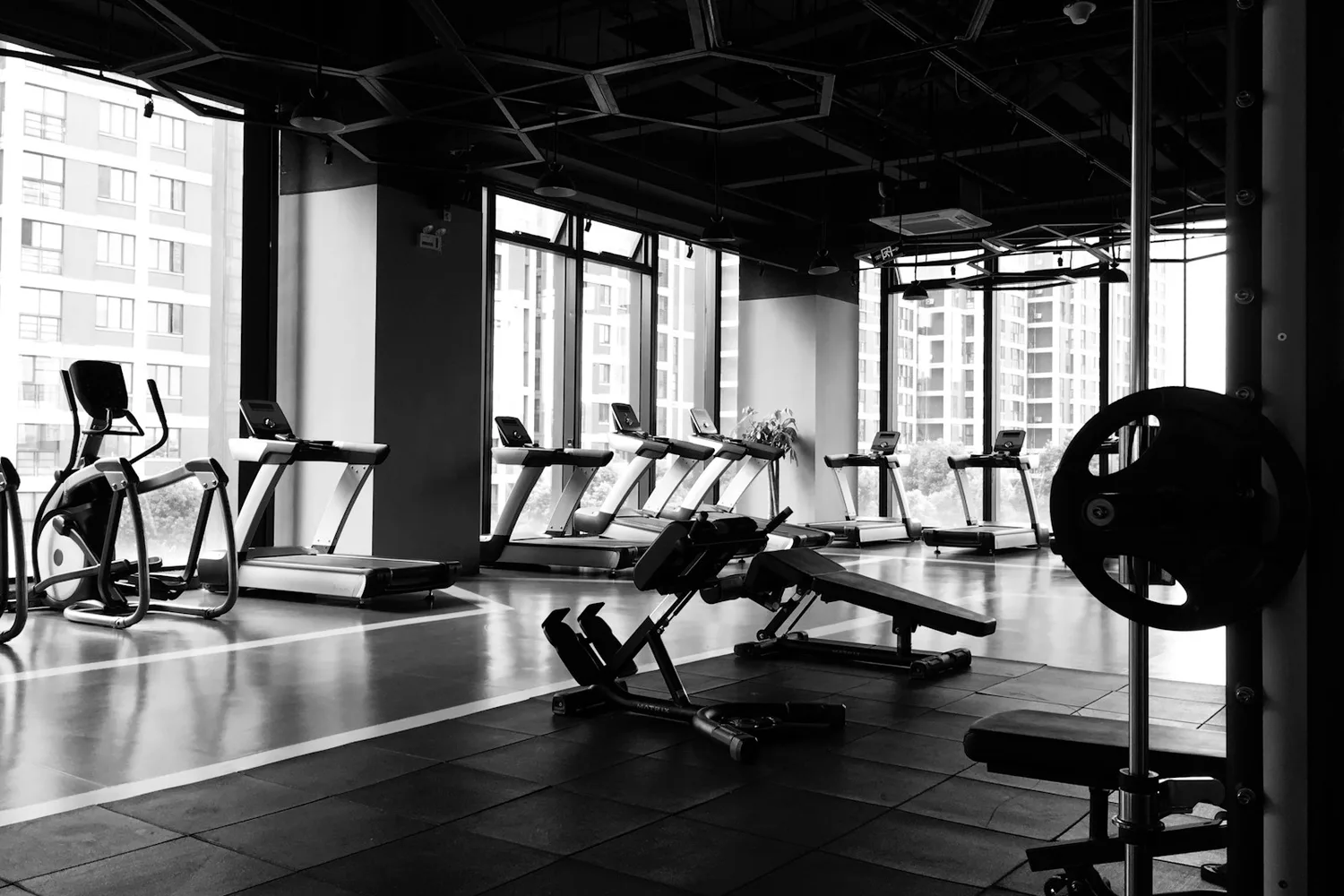
Regular maintenance keeps gym equipment safe, makes it last longer and protects its resale value. Whether you run a commercial gym or a home gym, this gym equipment maintenance checklist shows what to check and when.
Quick answer: Wipe down equipment daily, inspect cables, pulleys and upholstery weekly, clean and lubricate guide rods and pivots and check bolts monthly, and do a full inspection (and replace worn parts) at least once a year. Always follow each manufacturer's manual.
Daily
- Wipe down upholstery, handles and grips with a gym-safe cleaner.
- Put weights, pins and attachments back where they belong.
- Look for obvious damage: frayed cables, loose parts or torn pads.
- Take any unsafe machine out of service immediately with a clear sign.
Weekly
- Cables and belts: run your eyes along the full length; look for fraying, kinks or cracking.
- Pulleys: check that they spin freely and quietly.
- Upholstery: note small tears before they spread.
- Selector pins and pop-pins: make sure they're present and lock properly.
- Free weights: check dumbbells for loose heads and barbells for bent sleeves.
Monthly
- Guide rods: clean and lightly lubricate with the product the manufacturer recommends.
- Pivots and bearings: lubricate as specified and listen for noises.
- Bolts and fasteners: check and tighten.
- Frames: look for cracks, rust or paint damage, and touch up where needed.
- Cable tension: adjust if there's slack before the stack lifts.
Yearly
- Do a full inspection of every machine, ideally with a qualified technician.
- Replace worn cables, belts, pulleys and grips.
- Re-upholster worn pads.
- Check each model against current safety recalls on CPSC.gov.
Keep a Maintenance Log
Record what was checked, repaired or replaced, and when. A log helps you spot problems early, plan budgets, and shows buyers that equipment was well cared for if you sell it later (see how to sell used gym equipment).
Protect the Environment Around Your Equipment
- Use rubber flooring to reduce impact and vibration.
- Control humidity in garages and basements to prevent rust.
- Keep machines away from direct sunlight to protect upholstery.
Know When to Repair or Replace
Most wear parts are inexpensive to replace. Structural damage — cracked welds or bent frames — is different: stop using the machine and have it assessed. For hands-on repair steps, see how to refurbish used gym equipment.
Adding to your gym? Read our used gym equipment buying guide, browse our strength machines, or contact us with any questions.